Call us:
 +34 647 848 104
 +1 (954) 363 0711

Shipboard & Shoreside

In the maritime and cruise sector, ensuring the safety and efficient maintenance of vessels is crucial for operational continuity and the safety of passengers and crew. One of the most advanced and effective methods for conducting preventive, predictive, and corrective inspections is thermal imaging. This technology allows for the identification of hidden issues in electrical, mechanical, and structural components before they escalate into critical failures.
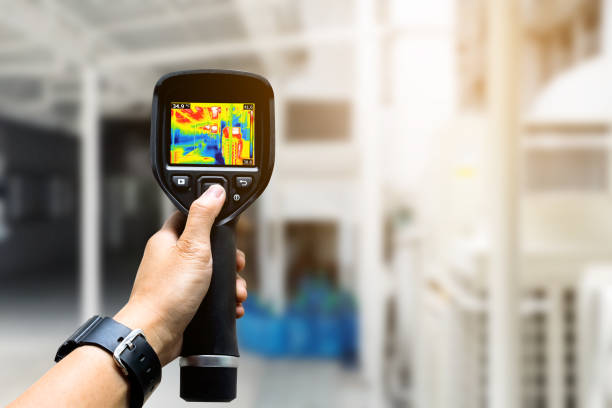
Thermal imaging is a non-invasive technique that uses infrared cameras to detect and measure thermal radiation emitted by objects. This radiation is translated into thermal images that show temperature variations. In the maritime context, these images enable engineers and technicians to identify anomalies and hotspots that may indicate underlying problems.
Preventive inspections through thermal imaging focus on identifying potential failures before they occur. On cruise ships, this technique is used to examine electrical systems, engines, turbines, HVAC systems, and structures. Thermal cameras can detect loose electrical connections, overheating in engines, and corrosion in metal structures. By identifying these issues early, repairs can be scheduled to prevent major failures, thus minimizing the risk of accidents and the cost of emergency repairs.
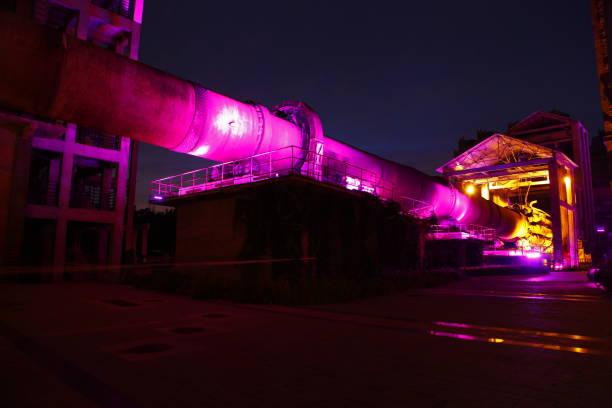
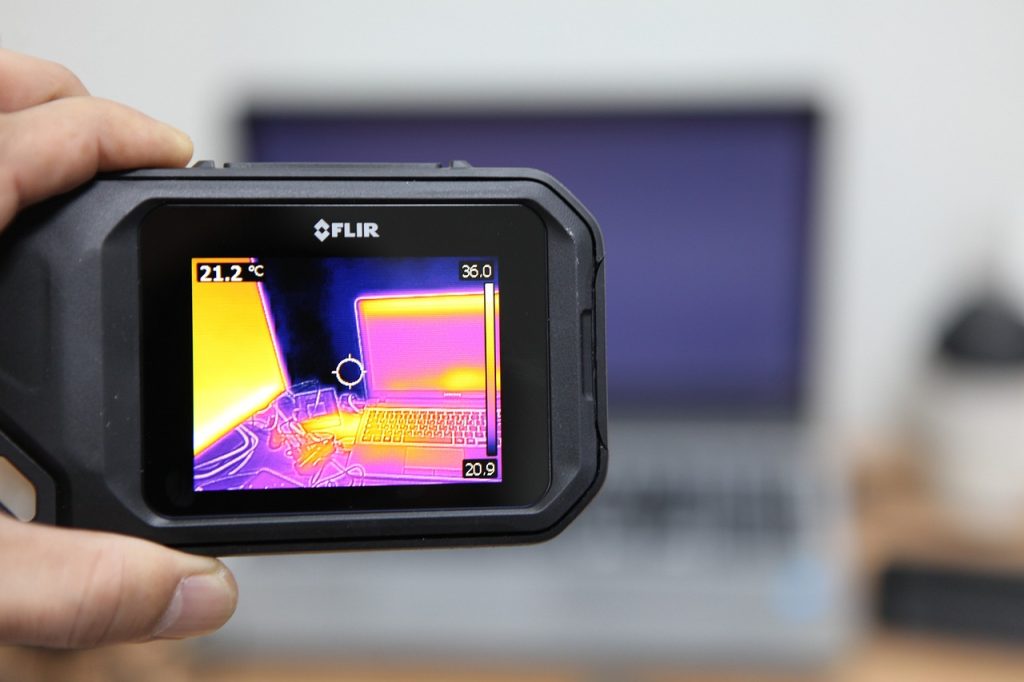
Predictive inspections take a step further by using thermal imaging to monitor the condition of components over time. On cruise ships, this practice allows for the anticipation of component failures based on abnormal thermal patterns. For example, if an engine begins to show a gradual temperature increase in a specific area, this may indicate wear and tear that, if left unaddressed, could lead to a breakdown. With thermal imaging, maintenance can be scheduled at the optimal time, preventing unplanned downtime and optimizing the lifespan of equipment.
Corrective inspections are performed after a problem has been identified or a failure has occurred. Thermal imaging allows for the assessment of the extent of damage and more effective planning of repairs. On a cruise ship, this could involve inspecting electrical systems after a short circuit or examining a structure after an impact. The ability to visualize thermal damage enables maintenance teams to address issues precisely, reducing downtime and ensuring that repairs are effective.
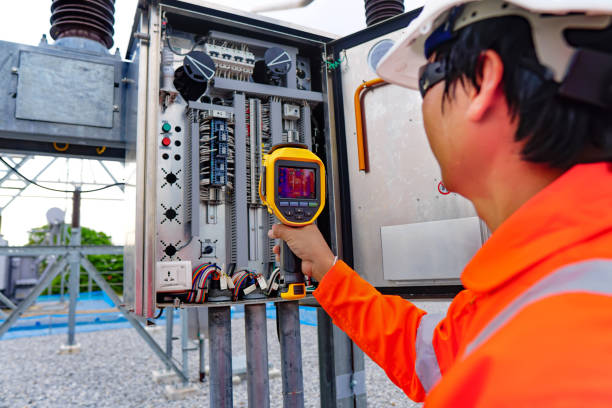
Thermal imaging is an invaluable tool for the maritime and cruise sector. Its ability to conduct preventive, predictive, and corrective inspections non-invasively provides significant advantages in terms of safety, efficiency, and operational costs. Adopting this advanced technology allows cruise companies to keep their vessels in optimal condition, ensuring a safe and reliable experience for everyone on board.
 EN
EN  ES
ES